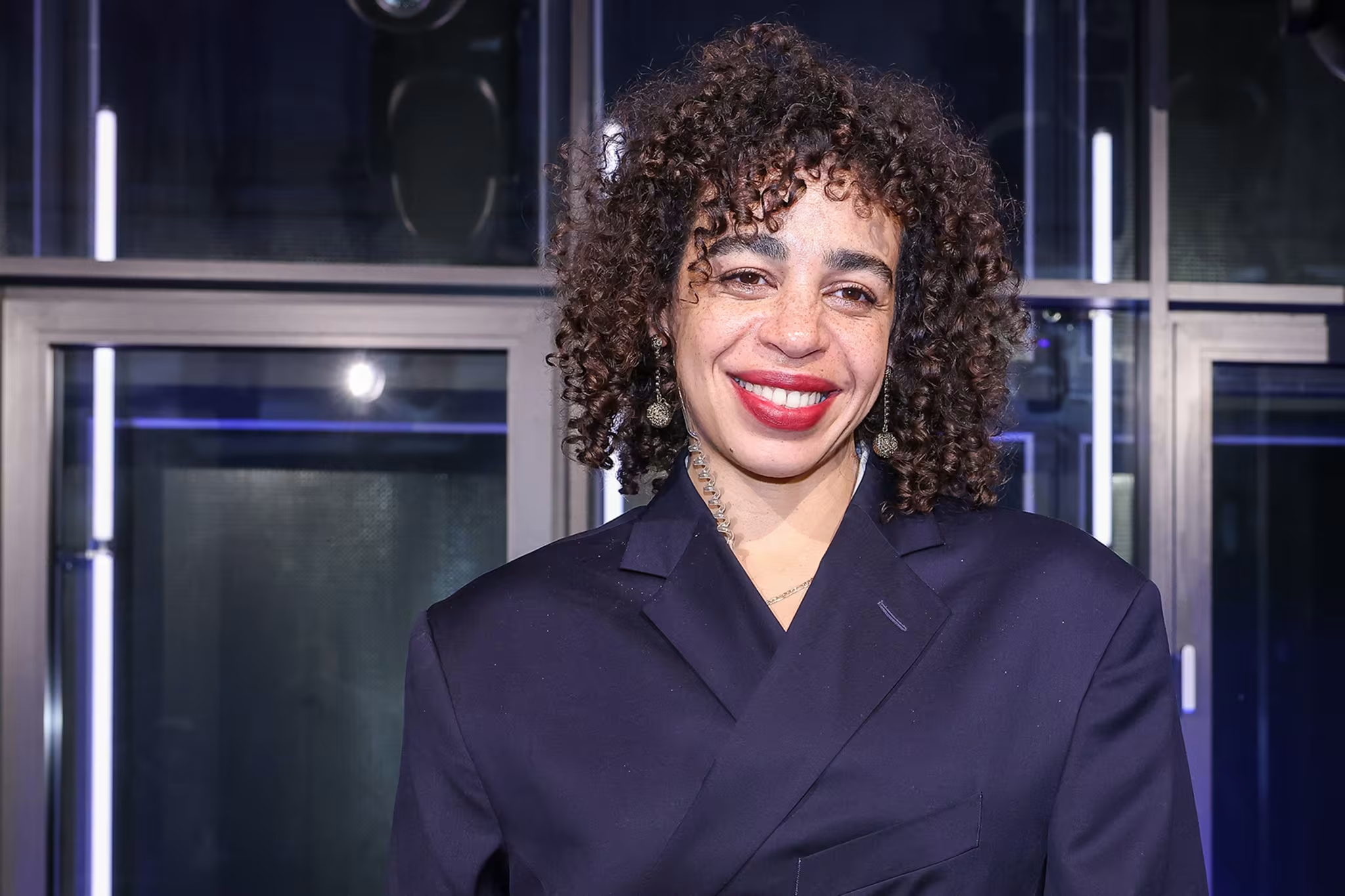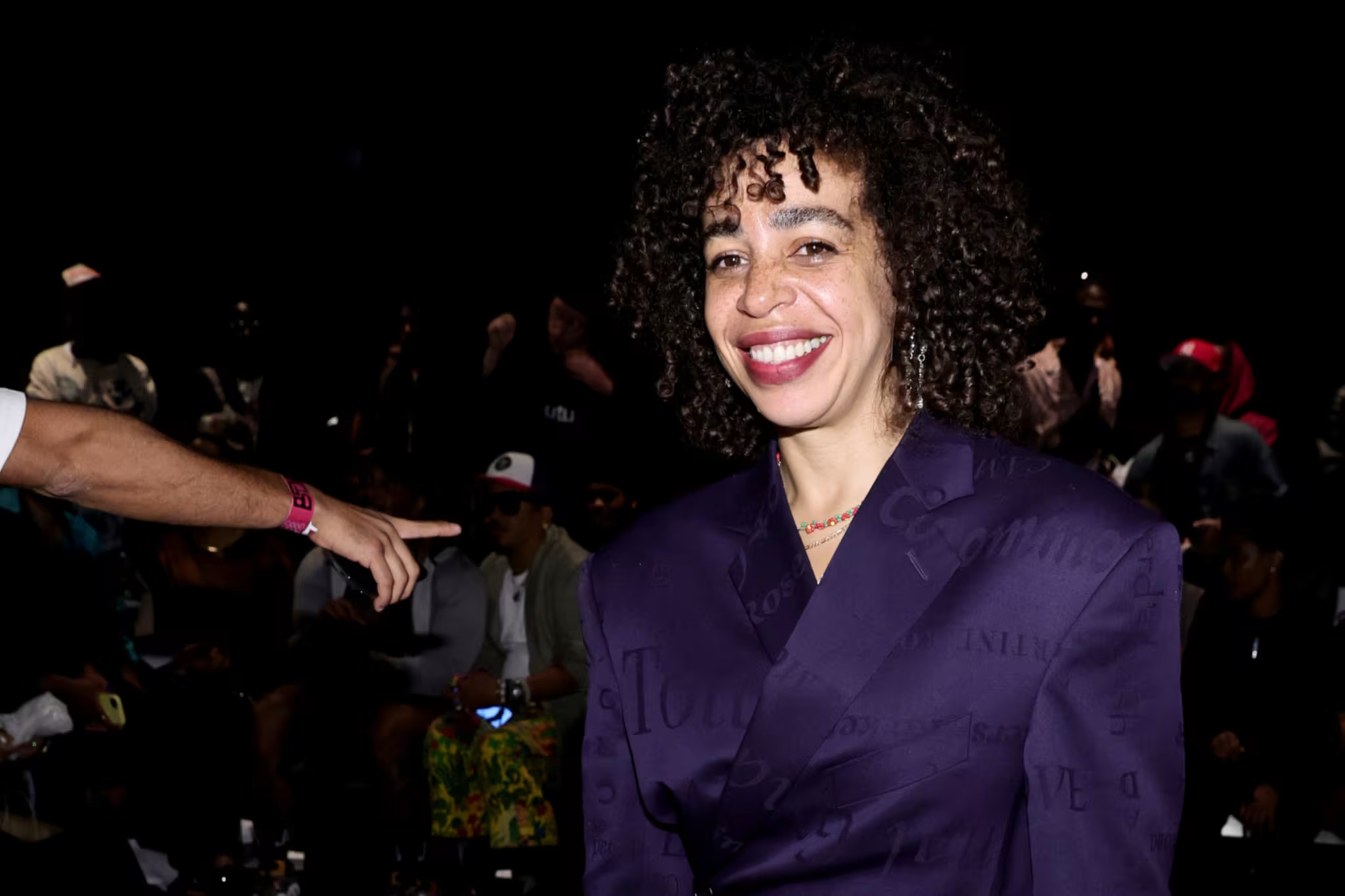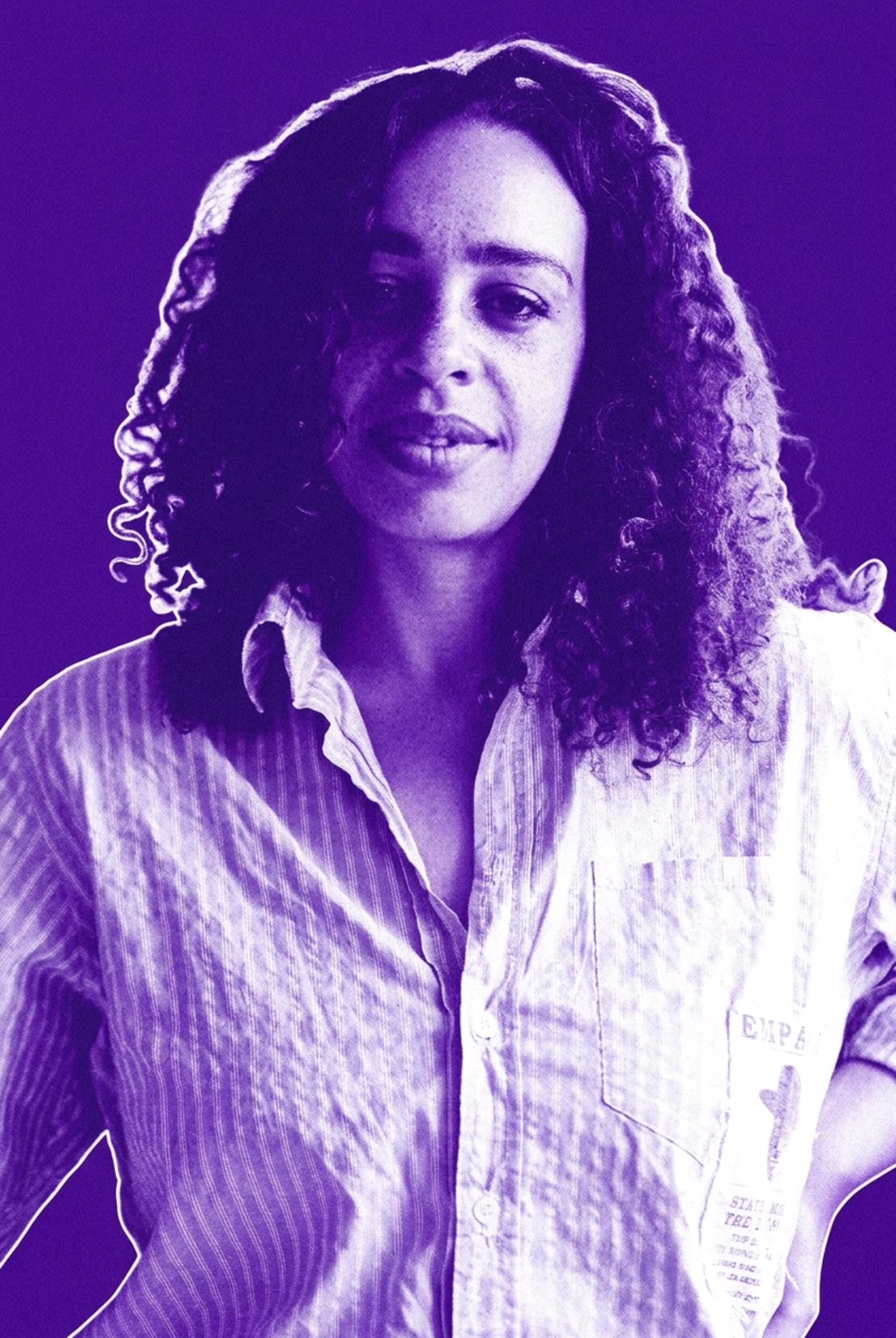
After much speculation, Martine Rose was named the creative director of Balenciaga. She replaces Pierpaolo Piccioli, who helmed the house for three seasons after leading Valentino for 16 years. Before that, Demna Gvasalia led Balenciaga for 10 years. Rose served as a consultant from 2015 to 2018, helping craft Demna’s vision for Balenciaga menswear and turning it into a highly profitable category.
Here’s what this appointment means, how it happened, and why Balenciaga chose her, according to informed people who know what they are talking about.
- Guillermo Andrade, founder of 424
- Mac Hadar, co-owner of H.Lorenzo
- Vincent Gobeil, menswear buyer at SSENSE (2013-2019), buying director at ESSX (2023-2026)
- Laura Baker, fashion consultant
- Rian Phin, social media strategist, writer and consultant
- Antione “Bibby” Gregory, cultural curator and founder of Black Fashion Fair
Guillermo Andrade, founder of 424
When did you discover Martine Rose?
GA: I found Martine Rose in 2012. I saw a photo shoot, and I thought, “This looks different. WTF is this?” And I just remember thinking, “This is cool. I haven’t seen jeans like that or proportions like this being sold as fashion.” There was something about it that was strangely familiar, but I knew it wasn’t something that I knew.
At the time, she was pregnant with her second child, and Matthew Williams designed a collection with her. This was before Been Trill. Matthew Williams worked on it with them, and I was like, “Who is Martine Rose?” I found her. I flew to Paris. I found a friend of a friend who knew the showroom. She was lovely about the collection. I was the first store in the States to sell it, at least at the time.
It was a very interesting perspective coming out of London. I found it super interesting and very raw. At the time, we were in our Rick [Owens] era, and I thought, “This is quite special.” When I met her and saw the pieces in person, and got them in the shop and started selling them to clients, they were well received.
What made her designs special?
GA: It was the most advanced clothing I had ever seen. The construction, the aesthetic proposition was so crazy.
Blazers wrapped around your body with a button on the side. It was things you associate with a Broadway show. It was very dramatic, and for me, I was like, “I love this shit,” because how many times can you buy a pair of Levi’s or Carhartts? [Martine Rose clothing] had that edge. It felt special. Her clothes made me feel seen and respected. It was intellectual. It was reaching out to people to say, “No, you aren’t crazy. They are crazy.” And that’s how I’ve always felt about Martine Rose. I still have all of my pieces.
Why is she the right choice for Balenciaga?
GA: People just don’t know her reach. They are about to find out. She’s been doing this for a long time. It’s long overdue. I don’t know how much of it was that she wasn’t up for it. It’s five years too late. I don’t know if Martine’s appetite was there for it, but the truth is, it’s long overdue.
But it’s a tall order. It’s a big job. If she’s taking it on, I have confidence she is going to execute her side of it. Like, we all know she’s the best, truly.
But, how aligned are the business interests and her interests? Is the CEO tight with her like he was with Demna? Are they two cowboys setting out into the sun, trying to fix a thing together? Or are they using her to leverage a bad moment from last year? I hope they are going to give her the runway that she deserves. Her language is her language, and to adapt that to such a big infrastructure, I think it’s going to take some time to get it right. And I hope they give her the space to develop that thing and nourish it and turn it into something. I have all the confidence in the world that she is going to make something amazing.
As a fan, it’s been a long time since I’ve gone into a store to buy something, and I will be the first in line. Martine Rose is a brand I’ve always loved, believed in, and been inspired by. I don’t know the intentions on the other side, but follow the money. I really hope that she has some clever people over there and they assess the situation and, in one move, fix the whole shit. You can leverage, close the chapter, and then go off into the sun.
“It was the most advanced clothes I had ever seen…Her clothes made me feel seen and respected. It was intellectual, it was reaching out to people to say ‘No, you aren’t crazy. They are crazy.’” -Guillermo Andrade
Mac Hadar, co-owner of H.Lorenzo, which has carried Martine Rose consistently over the years.
How did you discover Martine Rose?
MH: We stocked Martine Rose from the very beginning. It was her first or second season, and she had just started showing internationally in Paris, at least eight or 10 years ago. I discovered her through a showroom in Paris. I had followed the brand for a little while and was happy to finally see it in person.
At the time, it was a very small offering, maybe 10 or 11 SKUs. But there was something special about it. It had this East London vibe, with tracksuits and sportswear, but the cuts were always very interesting. There was always a mood to it. The brand has always had a very specific mood, which is why she's right for Balenciaga.
What was happening in menswear or fashion at large when she launched
MH: When I first started buying it, the brand felt very fresh. It was the era of Vetements, and she had this sporty vibe, but it wasn't sporty in the traditional sense. If you styled it correctly, it looked amazing.
Over time, the brand evolved. Then Tomorrow Group came in and acquired more than 50 percent of the business, bringing money and production resources. I don't know the specifics of the creative relationship between them, but after that acquisition, she was really able to develop the brand. I watched it grow from 11 or 12 SKUs to 40 or 50 SKUs.
Did it immediately resonate with consumers?
MH:The brand has always resonated with our customers, particularly the fashion kid and the hip-hop consumer. It was a really nice crossover between the two.
At the time, we were seeing this whole new influx of consumers taking an interest in fashion, and Martine Rose was the perfect bridge. The super-fashion kid could wear it, and the super-urban kid could wear it. She has an immense amount of creativity, and that really resonated with our customer base and who we are as a retailer.
Martine Rose has been one of our top-performing brands.
Why do you think she was a good choice for Balenciaga?
MH: She's been in the game for quite a long time. One of the reasons I think she's such a great fit for Balenciaga is that she was helping Demna during his early years at the house. I was actually surprised she wasn't appointed right away.
She's always been a little bit behind the scenes. She's one of those designers where, if you know, you know. She's never been particularly loud about what she does. She's been quiet and let her work do the talking. She's extremely respected by buyers, consumers, and designers as a whole, without needing to shout about it.
I think fashion needs this, and I'm very excited for her. Especially with so many creative directors moving around. I'm excited to see a real, true designer get this kind of opportunity.
Why don’t you think Pierpaolo Piccioli worked out?
MH: When Pierpaolo Piccioli came in, Balenciaga had already developed a very specific following under Demna. Demna had created a culture around the brand, and with the new appointment, they lost some of that culture.
The numbers weren't showing the same results, and eventually Demna moved to Gucci.
I thought Pierpaolo was a strange appointment from the beginning. Once they understood the reaction from the consumers who had been buying Balenciaga, it became clear that they needed someone who could bridge the gap between where the brand had been and where it wanted to go.
They needed someone who could carry the torch and speak the language that Demna had created, while also bringing something new.
“She resonated with the fashion kid and the hip-hop consumer. It was a nice crossover.. We had this whole new consumer base that started taking a liking to this industry and her collection was the perfect bridge.” -Mac Hadar
Vincent Gobeil, menswear buyer at SSENSE (2013-2019), buying director at ESSX (2023-2026)
What makes Martine Rose unique?
VG: I think she's been really good at bringing something new and fresh to fashion while also making it commercial. As a buyer, that's super important. She has an interesting take on London street culture that really connects with North American clientele. We had never seen anything quite like it, especially at such a great, sharp price point.
She's also really good at building a look. You can see a full outfit, and there are so many different elements that make it distinctly Martine Rose.
What are the elements of that look?
VG: It's the way she plays with denim and shapes, mixes fabrics together, and adds unexpected elements to things people already know and love. She might twist a T-shirt or add extra pockets to a jacket. She takes something familiar and makes it distinctly Martine Rose. It might be an unusual pocket or an unexpected detail. It's a little odd, but it's still quite commercial and makes you want to wear it. People recognize that it's something cool.
How did the brand sell at SSENSE and ESSX?
VG: It sold really well. It's nice to see a brand that continues performing year after year. Fashion is so up and down, and it's very hard for a brand to stay relevant for more than 10 years.
She keeps revisiting and evolving her brand while maintaining her identity. She brought something different to London fashion. European fashion can be very traditional, and that doesn't always translate to the North American market.
But she understood something about that customer. Her vision spoke to North American clientele, and the brand performed really well at SSENSE because it resonated with that audience.
How have you seen others influenced by her work?
VG: I see her influence more in the way people style themselves than in other brands copying what she's doing. She has such a unique approach that if another brand tried to replicate it, I don't think it would work. But you can definitely see her influence on people in the street.
“She adds an unexpected element to something whether it’s twisting a T-shirt or putting an extra pocket on a jacket. The consumer wants to wear it because they know it’s something cool.” -Vincent Gobeil
Laura Baker, fashion consultant
What makes Martine Rose unique?
LB: I feel like Martine Rose was truly a unisex brand. From a buying perspective [at ESSX], we really did buy brands at a unisex level because we were a concept shop. Her collections could be purchased across menswear and womenswear without having to categorize them.
She had this sporty element long before everyone started collaborating with Adidas. She always had sports jerseys, and they sold really well. They weren't collaborations with FIFA or Adidas. They were just her own designs.
There aren't that many designers who can do what she does. She could pull together football, rave culture, and street culture into one cohesive collection, and somehow it all made sense. The pieces didn't always necessarily go together, but because it was Martine Rose, there was an energy behind them. There was something special about that randomness within a collection.
How do you think she influenced the industry?
LB: I think she influenced sports brands to start collaborating with fashion brands. Soccer jerseys, tracksuits, football jerseys—that was her thing, and it still makes up the bulk of what she sells.
Anyone who has ever bought Martine Rose probably started with those pieces. There's something about her shapes and cuts that makes them special.
Even her fonts were inspired by those of the bigger football clubs, but she never got in trouble for it. She never received a cease-and-desist.
She was way ahead of her time with that. Luxury fashion eventually started borrowing from that aesthetic. Look at all the Adidas collaborations now. She inspired so many designers to bring sport into designer fashion.
How did the brand sell at ESSX?
LB: The brand sold really well. None of her pieces are that fussy. They're pretty much grab-and-go. People see the logo, and they want it. Her outerwear sold well, her jerseys sold well, and her tracksuits sold well. We would also introduce her pants and denim, but the tracksuits really held the brand together. It was the tracksuits and jerseys.
Why do you believe she’s the right choice for Balenciaga?
LB: She's an incredible designer. Just because her own brand has a particular identity doesn't mean she's going to bring that exact same aesthetic to Balenciaga. People have been talking about her going to Balenciaga for a long time. She's a skilled designer, and I think she'll approach the house in the way she wants to. Toward the last couple of seasons of her own brand, she started introducing more tailoring. She really is a designer of our times.I think she'll do couture. She's not just a creative director. She's a real designer.
"She's not just a creative director. She's a real designer." -Laura Baker
Rian Phin, social media strategist, writer and consultant
When did you first discover Martine Rose?
RP: 2010s, before the Nike Air Monarchs released. I couldn’t believe such cool designs were coming out. I had to learn more. She was so weird and on the fringe. I was so intrigued by the risks she took. I loved it, but I kept thinking, “What if no one buys this?” And fell in love with her because it seemed like she didn’t care and wanted to design for freaks.
What do you think about her new position as creative director at Balenciaga?
RP: I disagree with people saying the timing is wrong or that it’ll feel like whiplash after Pierpaolo. We’ll be fine. I worry about the overemphasis on transformation. People expect a clean slate or shame creative directors for not immediately reinventing a fashion house—it’s dehumanizing to the client, director, team, etc. I hope she doesn’t feel like she’s inheriting a lot of baggage just because of the cultural attitudes about the previous directors. I hope people can evaluate her work in terms of legacy and the archive without overemphasizing 1:1 comparisons to Demna.
She’s produced brilliant work at her own house in the meantime between Demna’s departure and this moment. I hope people can focus on that and what it’s meant to her clients. It’ll be exciting to see her perspective now that she has access to the archive, the design team, and the resources again. I think people just don’t want to sound optimistic or get their hopes up because they’re scared to be vulnerable about their excitement about all of this. I’m excited.
She’s also coming with a sense of warmth, community, and people championing her position. She can continue to introduce new signatures to the house, but also maybe a new sensibility outside of design. It also serves her to have designed for so long at her own house rather than getting lost in the design codes of other houses in rotating CD positions. You can see her refine her storytelling so brilliantly over the years.
How would you compare her work to Demna’s?
RP: She has a completely different way of looking at dressing than Demna, in my opinion. Demna’s work seems to revolve around the idea of the Exactitudes image series, archetypes, and exaggerating the beauty of what he finds in subcultures. It’s a ton of fun, but doesn’t feel like Martine to me. Martine’s work feels a lot closer to the chest, really personal, voyeuristic, even. She’s people-watching and then really sharply capturing the subtle ways people tell stories when they get dressed. Her work really picks up on what makes people special inside and how that’s revealed through dressing. I find that Demna’s expertise is a different story entirely, much more broadly bound to cultural conversation. Even Rose’s political messaging feels really personal and introspective.
What do you have to say to people who are comparing her work to streetwear and calling it a trend that’s over?
RP: People reduce Martine’s work to this broad idea of “streetwear” because they don’t want to actually engage with her design work. Nothing is wrong with streetwear, it’s not some shameful label, but what she does is so singular and personal. It transcends any label. So much of her design at her own house (the blanket scarves she did during lockdown, her Pitti Uomo coats, rave wear, designs on women) exists outside of the typical realm of streetwear. We should wait to see how she’ll translate her vision here. She’s already proven she can think outside the box across so many axes (shoe design, accessories). With more resources, she can flesh these ideas out really carefully and romantically.
What about people who say she can’t design womenswear?
RP: I read years ago more than half of her customer base at her menswear label was women. I think design conventions limit how we imagine women dressing, and I wonder who that serves. She does some typical womenswear designs on her runway, but even if she didn’t, we should probably broaden what womenswear can look like. Her strong suit is pluralizing gendered dressing in general. Balenciaga is a great space to do that. Demna was able to broaden leisurewear and cross-contextual dressing at the house. Chanel, for example, is also broadening how we look at menswear (with Rocky and Kendrick being ambassadors/doing campaigns for the womenswear brand, etc.). I trust her to design in an expansive manner, and I hope the audience is open to her world-building, especially at a time in culture/politics such as this. I’d keep an open mind.
“People reduce Martine’s work to this broad idea of ‘streetwear’ because they don’t want to actually engage with her design work…streetwear isn’t some shameful label, but what she does is so singular and personal, it transcends any label.” -Rian Phin
Antoine “Bibby” Gregory, cultural curator and founder of Black Fashion Fair
As a Martine Rose fan, how do you feel about this appointment?
AG: I’m actually very excited about her appointment as a long time buyer and admirer of her work (my Martine Rose collection goes crazy). I do hope she’s able to bring a more considered perspective and not necessarily the one we’re already familiar with. We need to move past the Demna of it all, which also includes the menswear she worked on. I think Pierpaolo Piccioli was a great choice on paper, but I don’t believe he ever really had a fair shot when the house itself was still relying heavily on Demna’s re-invention. A re-invention that in many ways, is no longer relevant. The cultural conditions that made his Balenciaga feel radical have changed. That’s important here when we’re talking about a visual language that has now defined Balenciaga to a new generation of consumers.
I actually love the approach Hermès has taken with Grace Wales Bonner by giving her time to establish a dialogue with the house. A creative appointment is not the same thing as a creative reset and it doesn’t have to be. But the success of Martine Rose at Balenciaga also depends on the willingness of the house itself to change. I hope Martine Rose has a similar opportunity to develop a singular voice. Even if it’s just an introduction.