Key Takeaways
- This eight-takeaway breakdown of the 2027 Grammy nominations spotlights women’s pop dominance, led by RAYE’s 11 nods, and hip-hop’s near-absence from the Big Four categories.
- The piece questions rap nominees that overlook the genre’s range, calls Baby Keem’s lone nomination a snub, and celebrates Tinashe’s two nods, including Best Dance Pop Recording for “Too Easy.”
- Beyond snubs and surprises, the analysis examines whether the new Asian pop category sidelines global stars and how the Academy’s human-creativity rules will handle AI-assisted music.
It’s that time of year. The 2027 Grammy nominations have just been announced. And ultimately, they make clear something that was already apparent: We are in an era of pop music dominated by women.
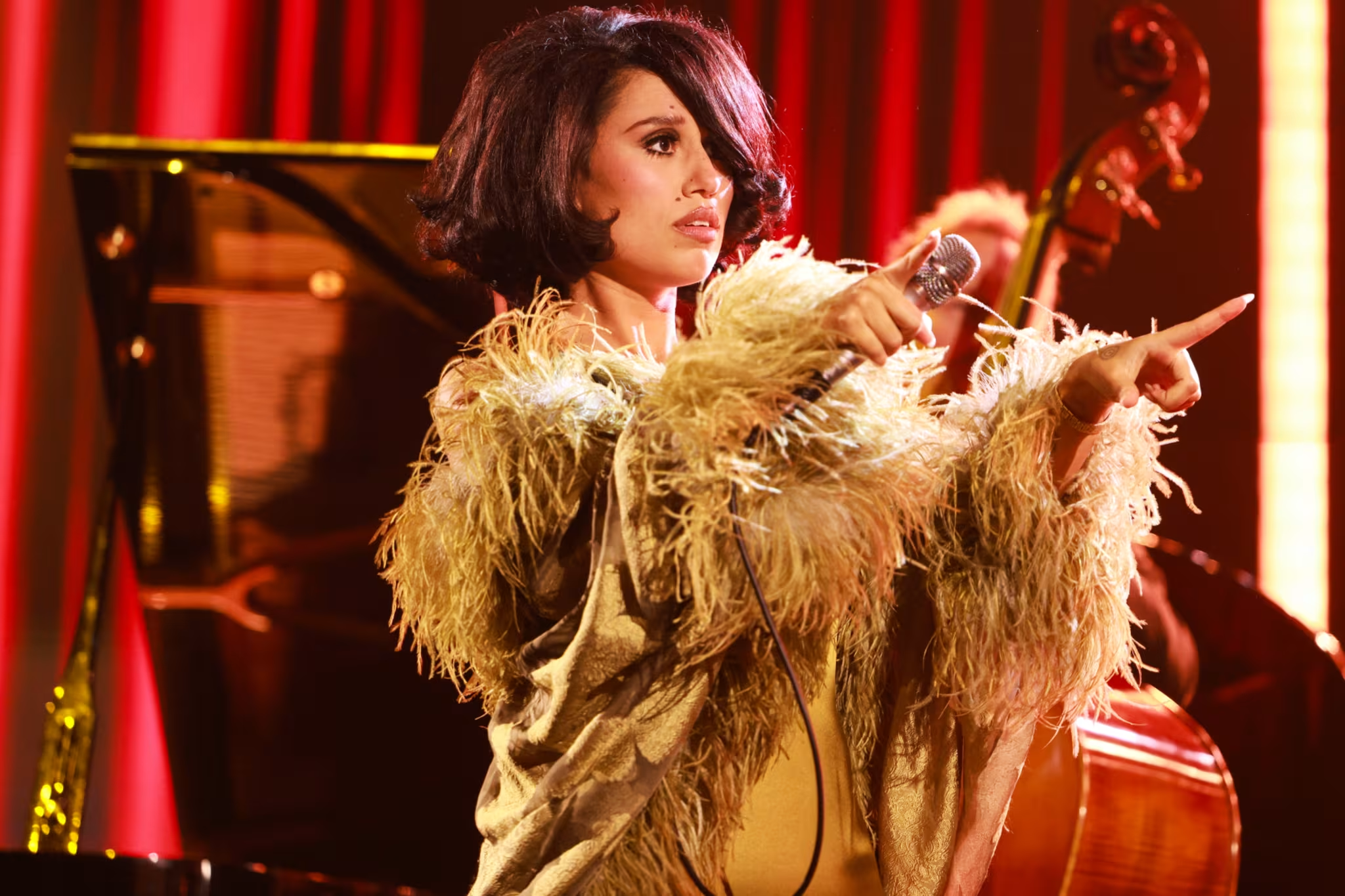
The big winner of the morning is British singer RAYE, who picked up 11 nominations, including album of the year for THIS MUSIC MAY CONTAIN HOPE., tying Beyoncé's record for the most nominations by a woman in a single year. (Bey also made history this morning, becoming the first artist to reach 100 career nominations, with “Morning Dew (Donk)” securing a best R&B solo performance nomination.)
Right behind Raye is Rosalía, with nine nominations, followed by a whole bunch of pop and country singers—Olivia Rodrigo, Ella Langley, Phoebe Bridgers, and Miranda Lambert—who all have seven. The leading men are Bruno Mars and, somewhat surprisingly, Leon Thomas, who picked up six nominations apiece.
On the hip-hop side… things were much quieter. The biggest winner was Don Toliver, who has arguably been the rap star of 2026, gathering five nods.
After the nominations were announced, we got what typically happens: a couple of crashouts from artists who felt snubbed—including John Summit and, perhaps more hilariously, the Game—and a whole bunch of conversations on social media about what the nominations say about the state of music and whether the Grammys got it right.
Here are eight immediate takeaways from the 2027 Grammy nominations.
1. The Grammys have given up on hip-hop, partially because hip-hop has given up on the Grammys
Across the Big Four categories—Record of the Year, Song of the Year, Album of the Year, and Best New Artist—hip-hop is represented only once, with Don Toliver getting a Best New Artist nomination, somewhat inexplicably. This comes off back-to-back years where Kendrick Lamar was one of the biggest names at the Grammys. So what's happening here?
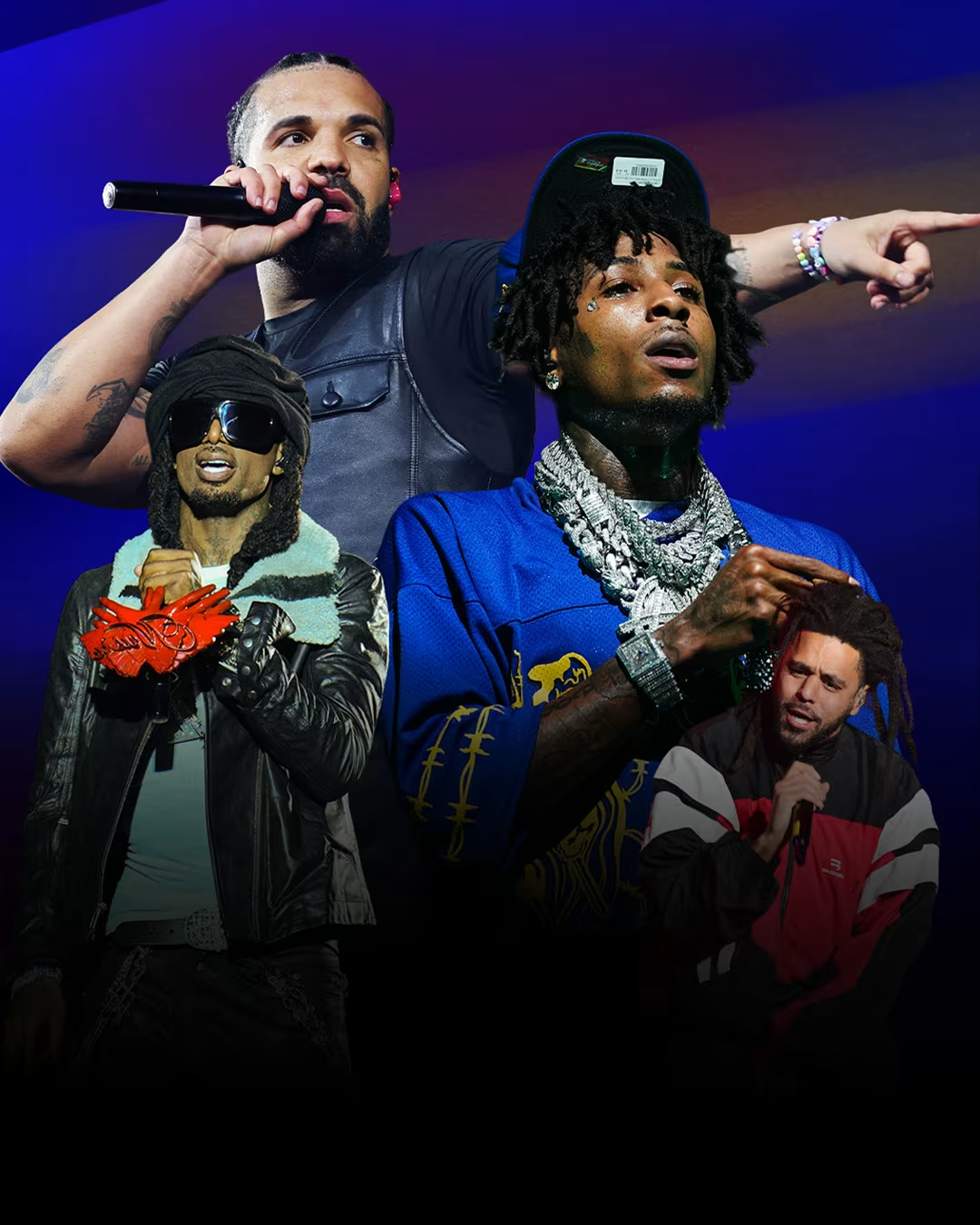
Part of it is rap's declining commercial dominance. But there's also the fact that rappers who might be expected to dominate these categories—namely Drake and J. Cole—have reportedly not submitted their music for consideration. (It's unclear why Cole wouldn't; Drake has had a long-running feud with the Recording Academy.) And when you look at the nominations in the Big Four, there's a particular emphasis on big, commercially successful radio music.
But maybe Kendrick—”someone go hand him a Grammy right now”—was the exception all along. Outside of a handful of established favorites, the Grammys have struggled to recognize hip-hop in the general categories. And really, the only way rappers were getting that kind of love was by moving serious records. But what happens when the commercial heavyweights don't even care?
Speaking of the Big Four...
2. Don Toliver as best new artist is hilarious category fraud
Respectfully, what is this?
This has to be one of the most flagrant uses of the Best New Artist category in recent memory. Don Toliver is in his 30s and has been making music professionally for nearly a decade. He has a 2020 album that went platinum. He has a 2021 album that debuted at No. 2 on the Billboard 200. He's had top 40 hits! He's been a fixture in rap for years.
This is an egregious case of category fraud, even worse than Chance the Rapper in 2017, Lauryn Hill in 1999, or Green Day in 1995.
3. When It Comes to Best Rap Album Nominations, the Grammys Are Going to Grammy
The Grammy voting bloc has always been a bit out of step with what's going on with the public. Historically, when it comes to Best Rap Album, it's a mix of expected hitmakers, Grammy staples, conservative picks, and something totally surprising, typically indebted to the past or other genres.
This year, it's Don Toliver's OCTANE and Cardi B's AM I THE DRAMA? playing the role of commercial juggernauts; Busta Rhymes and J Dilla's album representing the historical pick; Wale's everything is a lot. being the somewhat surprising choice; and Kanye West and Rapsody serving as the Grammy stalwarts.
These are mostly good, successful albums. But when it comes to representing the ever-expanding sounds and innovation happening in the genre—something I would argue the Grammys should be doing—the nominations ultimately fall short.
Yes, maybe the Playboi Carti wing of rap music is too abrasive for conservative Grammy voters. And even if some of the bigger albums have gotten mixed reactions, there are artists ranging from A$AP Rocky—who told us he submitted his album—to someone like Rod Wave, who makes enormously popular music and is an excellent songwriter, who continue to get overlooked.
The issue isn't necessarily that the nominated albums are bad. It's that the list feels like a limited representation of what rap actually sounds like in 2026.
4. OK, wait, maybe BTS was spitting a little bit
The Grammys added five new awards this year: Best Asian Pop Music Performance, Best R&B Collaboration or Duo/Group Performance, Best Traditional Pop Vocal Performance, Best Traditional Folk Album, and Best Latin Song.
BTS publicly called out the Asian pop category, questioning whether artists who have already achieved global superstardom need a separate category.
And there's a point to be made here. While adding categories for expanding genres can be a good thing, it also allows the Recording Academy to recognize these artists without having to include them in the bigger awards. It's a tension that artists who have transcended genre boundaries have openly discussed, and one that extends beyond Asian pop. (Karol G should be in the Song of the Year conversation.)
The Asian pop category itself is confusing, too. It seems like another version of Best Global Music Performance, with everything from K-pop to Japanese pop to Filipino pop being grouped into one category, despite those scenes having their own distinct sounds, histories, and audiences.
5. Damn…what happened with Baby Keem
After five years away from the game, Baby Keem returned with a very good album, featuring excellent songwriting and songs that touched on some heavy themes. It's an album that nodded to the past while still feeling contemporary, and even got an assist from Kendrick Lamar, the Recording Academy's golden boy.
And yet, Keem only picked up one nomination, for "Birds & the Bees," which also happens to feature Kendrick.
It's a baffling choice for an album we would have expected to have the Grammy Midas touch. Keem seemed to check many of the boxes the Academy typically responds to: an ambitious album that's not too ambitious, a strong narrative, personal subject matter, and a connection to one of its favorite rappers. Apparently, that wasn't enough.
6. Now good news: Tinashe!
It seems like Tinashe has had multiple breakouts over a career that has lasted nearly 15 years. But this latest one, which includes her return to the major-label system, might be her biggest yet.
She picked up two nominations, including Best Dance Pop Recording for "Too Easy," from her excellent new album.
It's an album as daring and interesting as many of the records nominated for Album of the Year. And after years of navigating the industry, experimenting with different sounds, and finding success on her own terms, it's gratifying to see her finally get her flowers—or at least some Grammy nominations.
7. It's hilarious that Drake might still get a Grammy
Despite his long-running issues with the Recording Academy, Drake still managed to pick up a nomination for “Ahí” his collaboration with Karol G.
Drake is so Drake that he can get Grammy nominations without even trying.
8. What about AI and the Grammys?
At the beginning of the nominations announcement, Recording Academy CEO Harvey Mason Jr. brought up AI, doubling down on the idea that the Grammys are honoring music created by human beings. (The official rule is that only human creators are eligible for Grammy nominations, though music incorporating AI can still qualify, as long as there's a meaningful human creative contribution.)
And, with the exception of Kanye West's BULLY, which faced unconfirmed rumors about the use of AI, there doesn't seem to be much tension around the issue this year. At least not yet. (Zero nominations for the boy Fenix Flexin.)
But these questions are only going to become more prevalent as AI becomes a bigger part of the creative process. And you have to wonder how much of a factor it already is. Take Erykah Badu and the Alchemist's Before the World Blows, one of the year's best releases, which received no nominations. Was it a lack of campaigning? Or did the conversation around AI-generated single artwork play a part?
We don't know. But as the Recording Academy figures out what constitutes human creativity and where exactly it wants to draw the line, these questions are only going to get more complicated.