Moviegoers in 2026 have been fed, and we ain’t talking about popcorn. From The Odyssey and Obsession to Spider-Man: Brand New Day, Project Hail Mary, and The Super Mario Galaxy Movie, cinemas stayed packed with solid films. Sure, they may not all be “for you,” but these hits still drove record-breaking box-office profits this summer.
And yet even then, there's been nothing quite like You Can See Everything, the 174-minute documentary from Nathan Fielder (The Rehearsal) and Lance Oppenheim (Primetime) about Elizabeth Holmes, the Theranos founder currently serving an 11-plus-year prison sentence following her fraud conviction. Released by A24 Films, the documentary hit theaters on October 16, 2026.
From spending time with Holmes and her family in the weeks before she began her prison sentence in 2023 to, well, a lot of things we can’t mention in the intro of this piece, Fielder and Oppenheim (and company) attempt to get to the bottom of what made Holmes tick. Their documentary has become a “spiritual experience” for viewers, with Fielder’s attempts to peel back the layers of Holmes’s persona opening an intoxicating can of worms.
Shop Street Fighter on Complex


While DC’s Clayface won its opening weekend, You Can See Everything held onto the No. 2 spot at the box office. The doc made $15.6 million during its opening weekend and brought in an additional $19.5 million during its second weekend. Clearly, the hype is real for You Can See Everything…which is where we come in.
For two weeks, folks have spoken about You Can See Everything in hushed tones IRL, mainly because the beauty of this documentary is watching it unfold in front of you. That said, we understand that some of you a) might want more information before heading to the theater, or b) might need more information after watching You Can See Everything. We get it, and we've got you covered.
Here’s a look at, well, everything you need to know about You Can See Everything. [Ed Note: This post does contain mild spoilers for You Can See Everything. Nothing can prepare you for this film, but if you want to go in ice-cold, stop here; if you proceed, you will begin to See Everything.]
Who is Elizabeth Holmes?
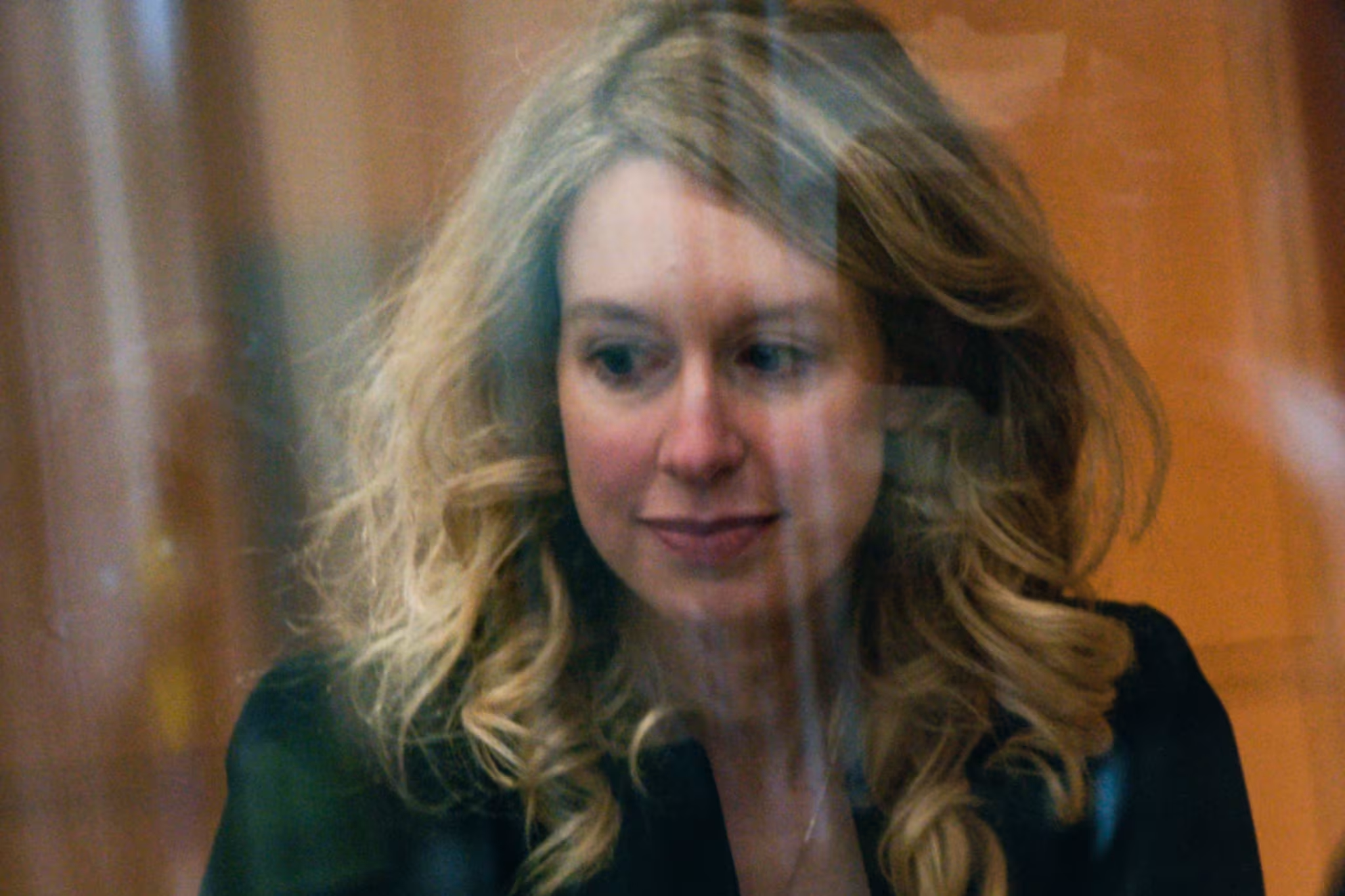
If anything, Elizabeth Holmes has always had a vision for herself. Modeling her attire and discipline after Steve Jobs, Holmes left Stanford to build what she believed would be her mark on society: a device capable of running a wide range of medical tests from just a small blood sample. Her company, Theranos, promised to revolutionize blood testing. With Holmes as CEO and her then-boyfriend Ramesh “Sunny” Balwani as COO, the company raised $700 million(!) from investors while misrepresenting the capabilities of its Edison machines and the reliability of the testing they performed.
The Theranos fallout was real: Holmes faced a $500,000 fine, had to return nearly 19 million shares, and was barred from serving as an officer or director of a public company for ten years. A federal grand jury indicted Holmes and Balwani on fraud charges in June 2018. In 2022, Holmes was acquitted of charges involving patients but convicted of defrauding investors and sentenced to 11 years and three months in prison. (Her sentence was later reduced to 10 years and three months; Holmes’ scheduled release is in February 2030.)
Somewhere between her conviction and the start of her prison sentence, Holmes and her…partner(?) Billy Evans agreed to let a camera crew document their lives before she reported to prison. The apparent goal? To offer audiences a more human portrait of Holmes. That's a difficult proposition for someone whose public image was built around claims about technology that didn't deliver on its promises while raising hundreds of millions of dollars from investors along the way.
Wait, who is Billy Evans?
Now this is a great question. Evans and Holmes reportedly met in 2017. The couple has two children, and while reports surfaced in 2019 that they had secretly married, Holmes told People in 2025 that they’ll “get married someday.” Evans currently holds power of attorney over Holmes.
His family owns California’s Evans Hotels, but Evans has said that he neither works for nor owns shares in the company. Evans also appears to have scrubbed much of his previous work history from the internet before founding Haemanthus in 2022. The company, which shares its name with the blood lily, is reportedly developing technology that uses lasers to analyze blood, urine, and saliva, promising “a radically new approach to health testing.” (The company plans to test animals before moving on to humans.)
Evans has denied that Holmes is involved with Haemanthus, but in You Can See Everything, he describes Haemanthus as “Theranos 2.0” and is seen discussing plans for a campaign featuring Holmes’ image alongside a man viewers have taken to calling “The Billboard Guy.”
“The Billboard Guy”???
You Can See Everything doesn't dig too deeply into “The Billboard Guy,” using his image mainly to pose a pointed question to Evans later in the film. His name is Ryan El Hosseiny, whom a press release describes as a “biochemist, entrepreneur and Just Blood founder.” Hosseiny also made a short film, JUST BLOOD: The Re-Litigation of Elizabeth Holmes, which was filmed at Trump International Golf Club.
In You Can See Everything, Hosseiny—who says his aim is to highlight the science, the technology, and the millions of lives affected by cancer—is seen hosting an event at a venue described as a “strip club.” Hosseiny, however, said the event took place at LIV Miami on April 22, 2025, and featured appearances by Fabolous, Jim Jones, Jadakiss, and others.
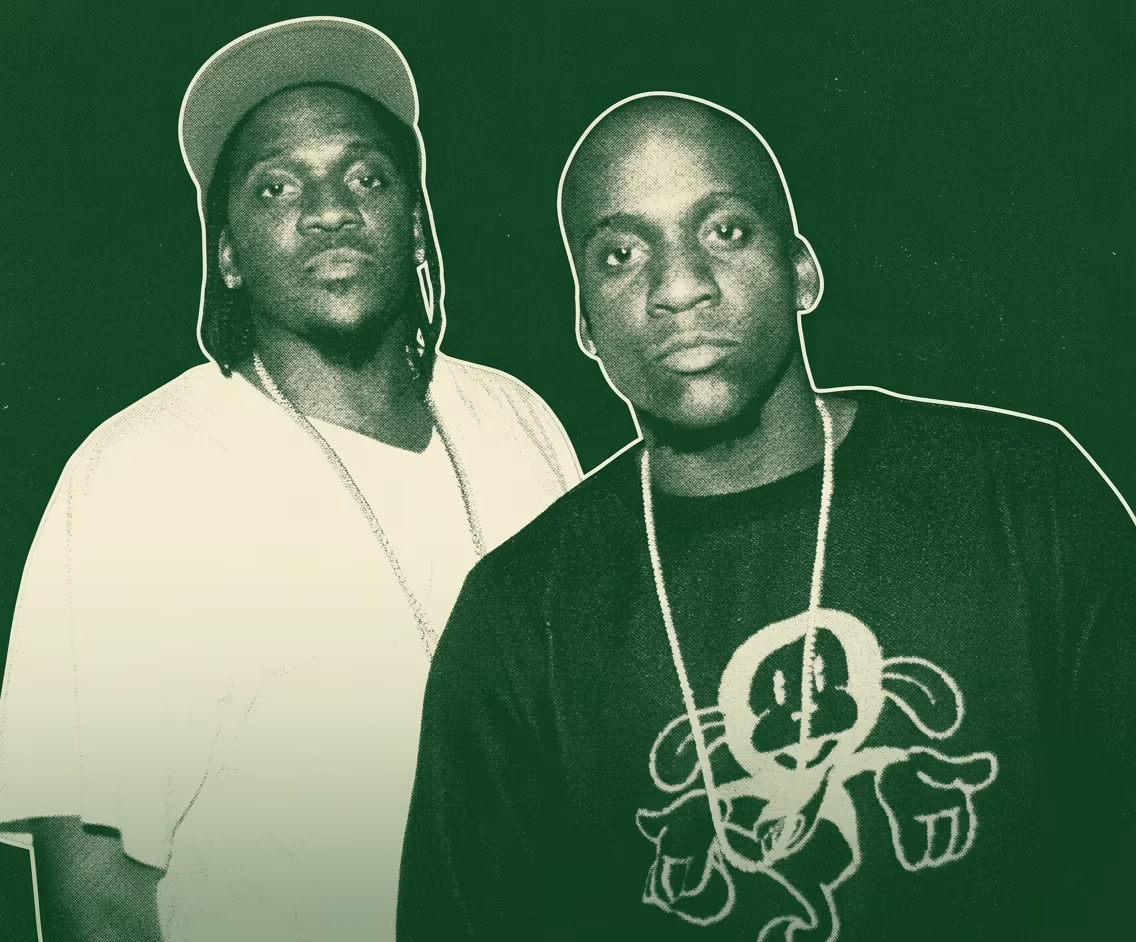
Later in April 2025, Just Blood made its way to Times Square for a pop-up performance featuring Jadakiss, Jim Jones, DJ Prostyle, and more billboards highlighting Holmes and the Just Blood initiative.
We can’t be surprised that Nathan Fielder wasn’t up on this…right?
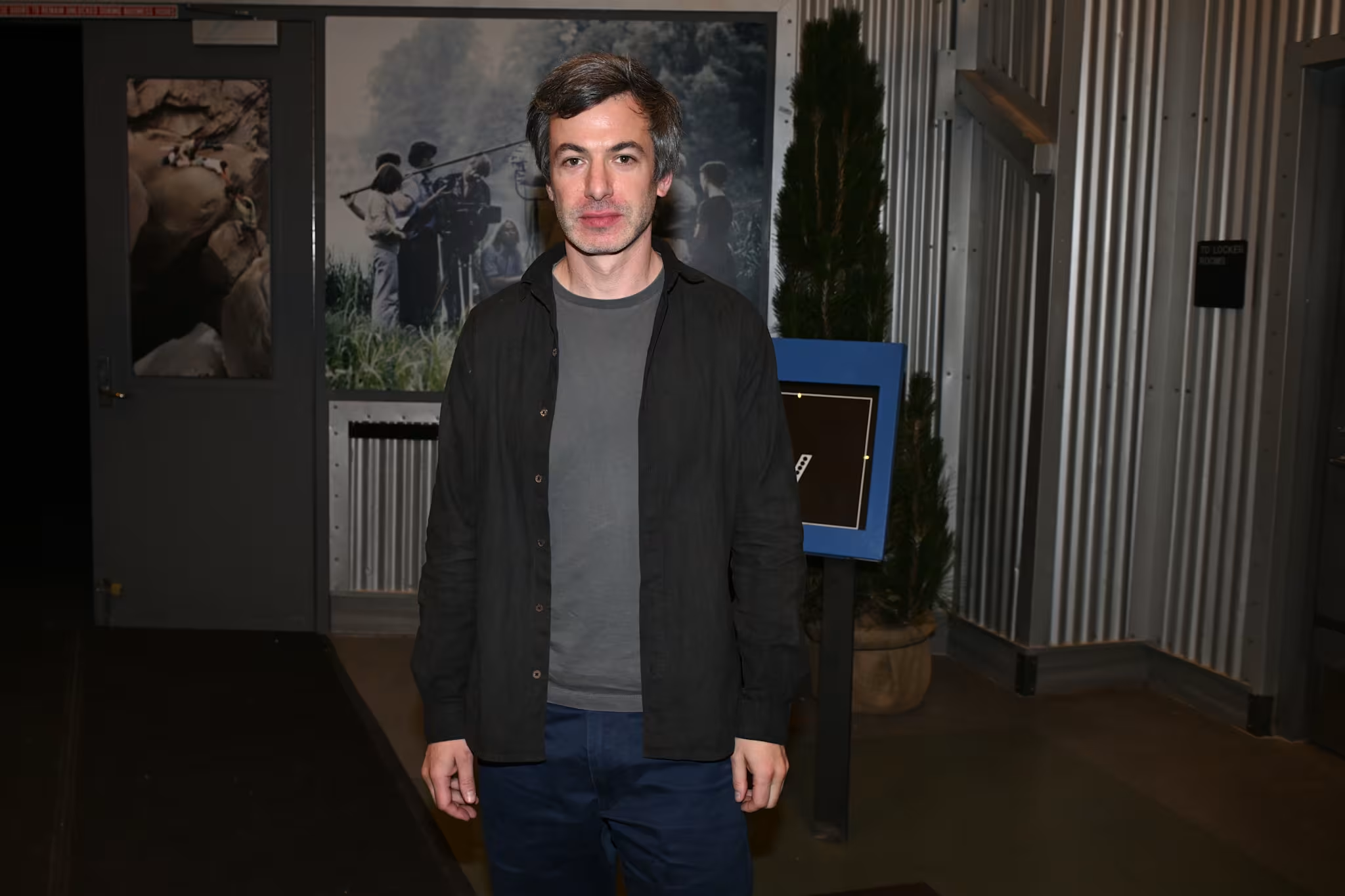
Who is Nathan Fielder?
In many ways, You Can See Everything feels like the project Nathan Fielder has been working toward this entire time. The Canadian filmmaker went from a CBC correspondent to Comedy Central’s Nathan for You, where he tried to help struggling businesses in his uniquely deadpan, satirical way. Oddly enough, while he always brought the funny and had a knack for drawing out the awkward reality of everyday people, Fielder often ended up helping them, no matter how leftfield his ideas were.
Many may know Fielder best for his HBO series, The Rehearsal, in which he set up elaborate “rehearsals” for people hoping to get a second chance at a situation or prepare for an uncertain future. The second season, which focused on aviation, was so effective that Fielder recently helped get a mental health bill for pilots signed into law. It’s comedy, but he really does do good…which makes Fielder taking on the Holmes case all the more intriguing.
The key to Fielder’s work is that he’s unafraid to ask the right question. Some of the most important moments in You Can See Everything come when he directly challenges something Holmes or Evans says, digging for the truth in what appeared to be a house full of lies. It’s wild to think it was only after Holmes and Evans tried (and failed) to pitch a documentary to A24 that Fielder asked to be a part of it. “Months later,” Fielder told WIRED, “I heard that that had happened. So I called A24 and said, ‘Well, could I meet her?’ That was the start of it all.”
After the public spent a decade trying to make sense of Holmes and the story she sold investors, Fielder was uniquely positioned to probe the truth behind the persona, and perhaps better equipped than most to recognize when her story wasn't adding up.
Who is Lance Oppenheim?
Oppenheim is one of the key creative forces behind You Can See Everything. Though he shares directing credits with Fielder, this was Oppenheim's project first. Fielder wasn't even supposed to appear on-screen initially, but as Holmes and Evans kept drawing him into their conversations, Oppenheim and Fielder soon realized that having Fielder there—and allowing him to challenge what they were hearing—could add another dimension to the film. Eventually, Fielder stepped in as co-director, too.
Oppenheim also made his narrative feature debut this year with the Robert Pattinson-led Primetime. He's best known, however, for his documentary work, including Some Kind of Heaven and Spermworld, where he excels at bringing a striking cinematic quality to real-life stories. From natural lighting to extreme close-ups, Oppenheim’s visual style is apparent throughout You Can See Everything, drawing viewers into the cringe. He even brought along frequent collaborator Ari Balouzian to compose the score.
Oppenheim's work has also drawn scrutiny. Doug Passon, a defense attorney who appeared in No Jail Time: The Movie, a documentary Oppenheim made for The New York Times, alleges that footage from the film was used without permission. The documentary followed a festival showcasing short films made to humanize defendants during the sentencing phase of criminal trials.
In his piece, Passon argues that those allegations should inform how viewers interpret You Can See Everything: “When you watch this film, and the debate starts about blurred lines between truth and fiction, I hope Lance Oppenheim’s history becomes part of that debate.”
Is Amanda Seyfried in You Can See Everything?
Actually, yes. And we hope you’re asking because you know she played Elizabeth Holmes in the 2022 Hulu miniseries The Dropout, about Holmes’ rise and fall.
[Ed Note: This may be the most spoiler-y this feature gets. You have been warned.]
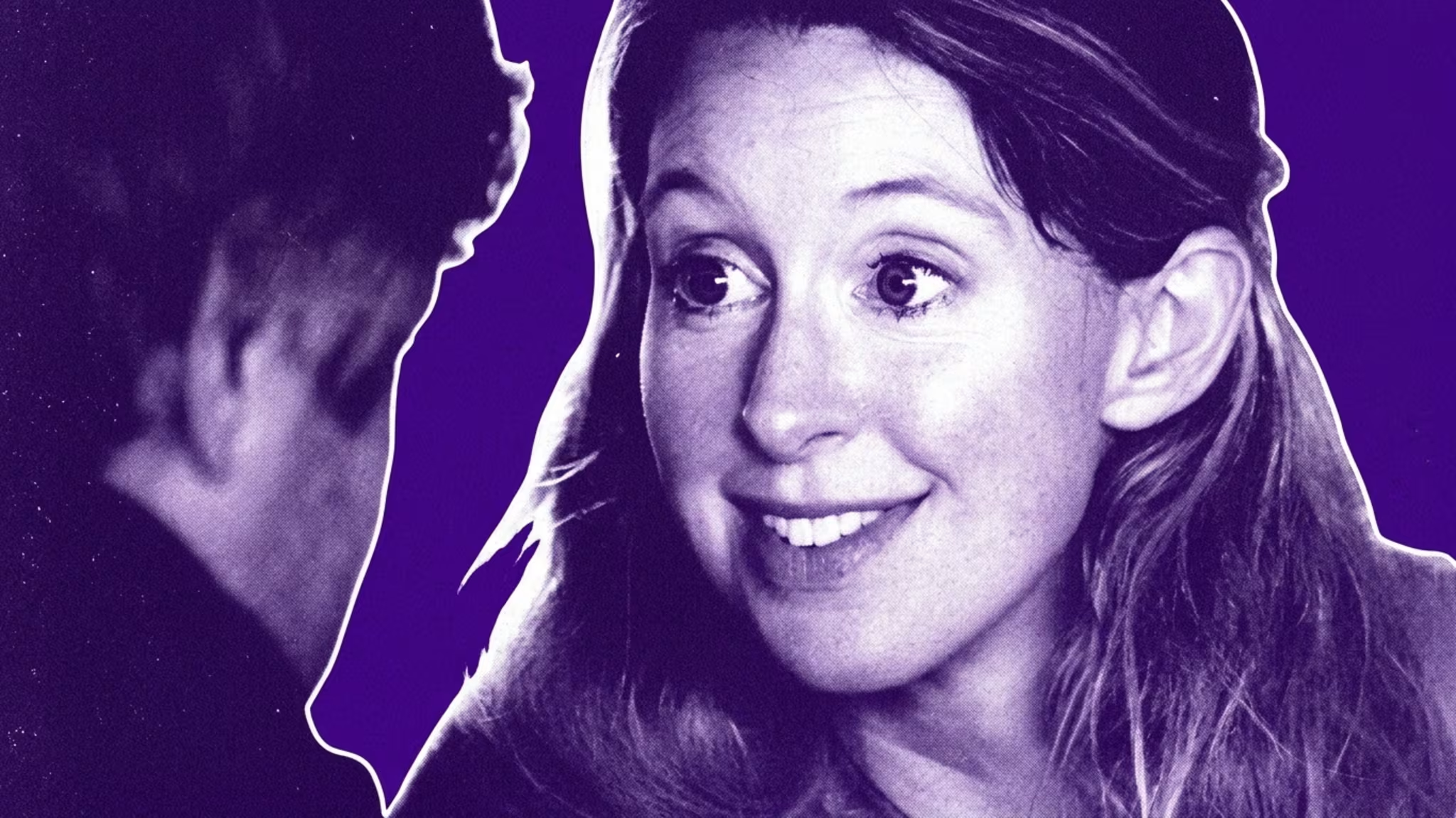
During Fielder’s time with Holmes and Evans, he shows Holmes footage from The Dropout, which upsets her because of how she feels it portrayed her. In one of the documentary’s more intriguing moments, Fielder visits Seyfried, who wants to watch the footage of Holmes watching The Dropout. During their conversation, they decide that Seyfried will reprise her role as Holmes, helping Fielder flesh out the non-recorded interactions he’d previously had with Holmes.
Without discussing the film further, know that Seyfried’s inclusion shapes the documentary in several ways, complicating the questions surrounding truth, manipulation, and how we come to understand Elizabeth Holmes.
Should I see You Can See Everything in theaters or wait for it to hit streaming?
We’d recommend seeing this three-hour documentary in theaters for a few reasons. One, the “spiritual experience” of it is real. This is a film you’ll want to dissect with friends once you watch it. (If you see it alone, you may become friends with the people in the theater next to you.) There aren’t too many films released in 2026 that will have you sat, screaming in disbelief at the drama unfolding on-screen. (Even speaking about it like this may be doing too much.) Waiting for Prime or whatever is always an option, but if you don’t want to be spoiled any more than you already may be, now is the time to block out the three-hour window and experience this film.
A second (or third!) viewing, in the company of your homies, with the ability to pause the movie and discuss what the hell you just watched, may be required. But if you can, hit the cinema for You Can See Everything. Movies this captivating deserve to be experienced on the big screen.
Could You Can See Everything win any Oscars?
That may depend on how A24 decides to push it, and whether the Academy is willing to let You Can See Everything break the mold. If it lands a Best Picture nomination, it would become the first documentary ever to achieve that distinction. And with this year’s crop of Best Picture hopefuls already generating buzz (including La Bola Negra, I Play Rocky, and The Odyssey), You Can See Everything could make things interesting.
Is there an end-credits scene for You Can See Everything?
No. You may want more from You Can See Everything, but once the credits roll, you’re left sitting in cringe-filled despair.
You could sit there wondering what Elizabeth Holmes actually believes, how Billy Evans fits into all of this, and more. You’d have to leave eventually; the theater staff still have to get ready for the next batch of viewers eager to See Everything.