When RZA engineered the Wu-Tang Clan's record deal, he famously defied a core convention of the music business. But actually, another very influential artist had done the same thing 30 years earlier. And any artist thinking about signing a deal today should take notes.
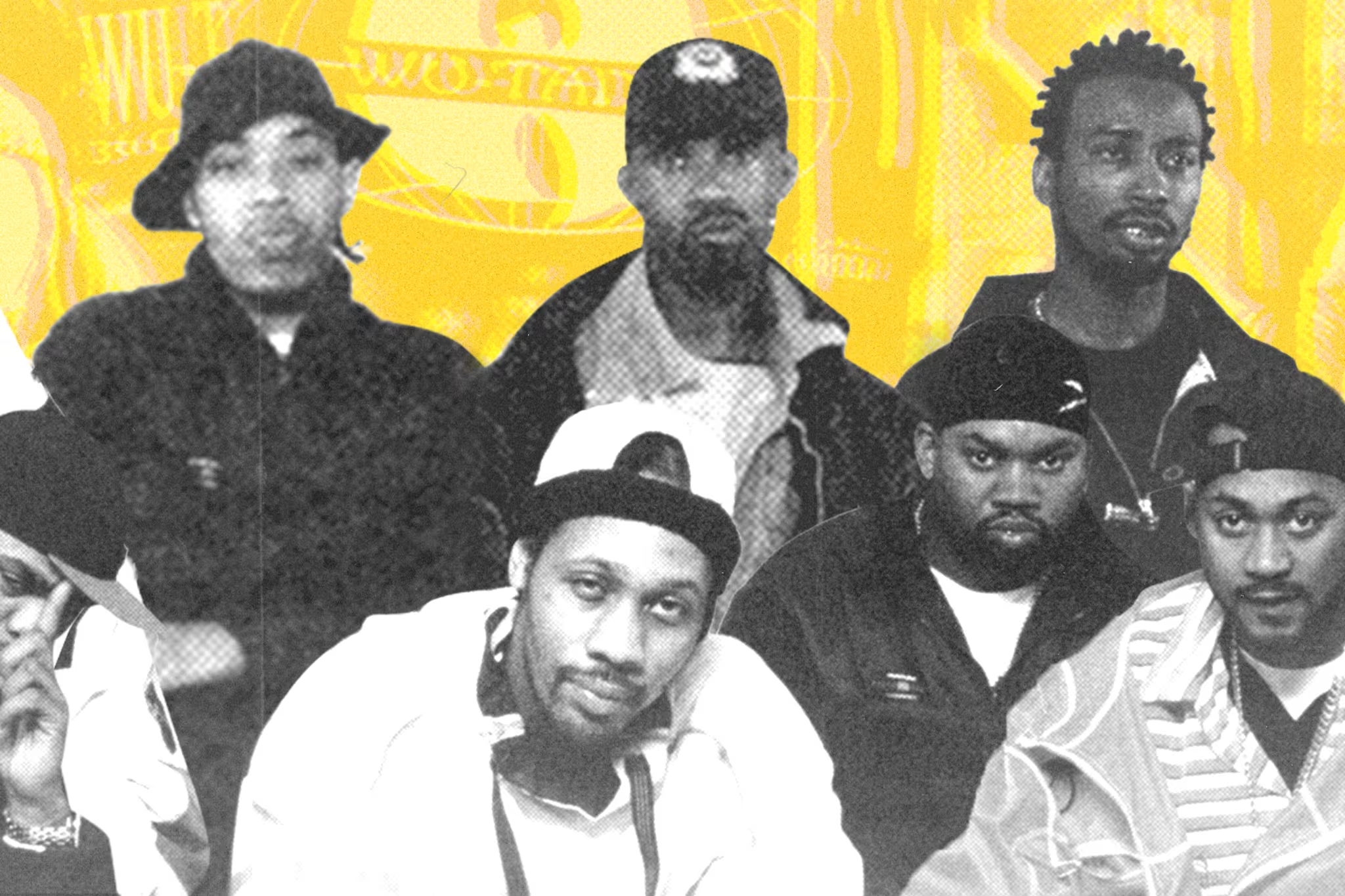
In 1990, GZA, ODB, and RZA signed deals respectively with Cold Chillin' and Tommy Boy, and put out records the following year that unfortunately both flopped. Dejected, they teamed up with seven of the best rappers from their respective neighborhoods and reinvented themselves as the Wu-Tang Clan. In December of '92, they independently released the 12-inch for "Protect Ya Neck" with the B-side "Tears." The record exploded on the underground and landed on the desk of Loud Records founder Steve Rifkind. Obsessed, Rifkind offered the group $10K for the single and $50K for an album—if they sold 50,000 units.
RZA appreciated Rifkind's passion and agreed to do the deal on one condition: that he would be able to shop solo deals for each of the group members at other labels. The truth is, ODB actually already had an offer from Dante Ross at Elektra. Rifkind agreed on the spot, but when he took the terms to his parent company, they said, “Absolutely not.” There was a leaving member provision that was standard in every contract, and RZA was not about to bend the rules. But Rifkind was adamant, so he and his partner Rich Isaacson banged on every executive's door until they found someone who saw their vision. The head of business affairs told them, just get the right to match and do the deal. Boom, deal done.
Shop Wu-Tang Clan on Complex
 Wu-Tang Clan C.R.E.A.M. Team USA Soccer Jersey
 Wu-Tang Clan Global Pride Brazil Soccer Jersey
 Wu-Tang Clan Global Pride Japan Jersey
 Wu-Tang Clan C.R.E.A.M. Team Brazil Soccer Jersey
 Wu-Tang Clan Global Pride USA Jersey
 Wu-Tang Champions Forever Tee
 Wu-Tang Forever Vinyl
 CANVAS WORK JACKET
 Wu York Snapback - Royal Blue
 Supreme Clientele 2LP (2000 Version)
 Retro Colorblock Tee
 A Ballet Through Mud: Standard Edition Vinyl
Except, plot twist, they couldn't clear the sample for "Tears." So at the last minute, RZA had to swap in a new record, "Method Man," as the B-side. The 12-inch went national in May, and by the end of the summer, Meth had an offer for $180,000 from Def Jam. Loud couldn't match, but the single had sailed past the 50K mark, and so the Wu album was a go.
By the time 36 Chambers was released on November 9th, 1993, almost every member of the clan had a solo deal in place. An unprecedented moment in rap history. But the first artist to ever ink a deal like this was actually none other than George Clinton. Already a 15-year vet by the time he inked the Funkadelic deal in 1968, Clinton only signed an entity name, not the participating musicians. So that meant that all-stars like Bootsy Collins, Eddie Hazel, and Fred Wesley could all pursue solo careers while they played in the band.
It's unclear if RZA or any of the execs were familiar with this precedent, but it's proof positive that if you've got the talent, hold out for what you want, because everything is negotiable.