Key Takeaways
- “Cowboy” Bill Watts died Nov. 17 at 87, his son Erik confirmed; the family disclosed no cause of death.
- Watts helped shape modern wrestling television through Mid-South Wrestling’s hard-hitting matches and ongoing storylines, showcasing stars including Junkyard Dog, Ted DiBiase, and Sting.
- Racist and homophobic remarks stained the WWE Hall of Famer’s legacy, and he resigned from WCW in 1993 after an interview resurfaced in which he defended racial discrimination by business owners.
“Cowboy” Bill Watts, the wrestler-turned-promoter who helped build the blueprint for modern WWE television before racist and homophobic remarks stained his legacy, has died at 87. Watts died on Nov. 17, just over three months after fellow WWE Hall of Famer Dory Funk Jr. died at 85.
According to Sports Illustrated, the two men were major figures from wrestling’s territory era, and their careers intersected long before they entered the WWE Hall of Fame together in 2009.
Watts’ son Erik confirmed his father’s death in a message shared with wrestling journalist Bill Apter. “My father, Cowboy Bill Watts, passed away today,” he wrote. “I wanted to let you know he loved you and had a very special place in his heart.” No cause of death was immediately disclosed.


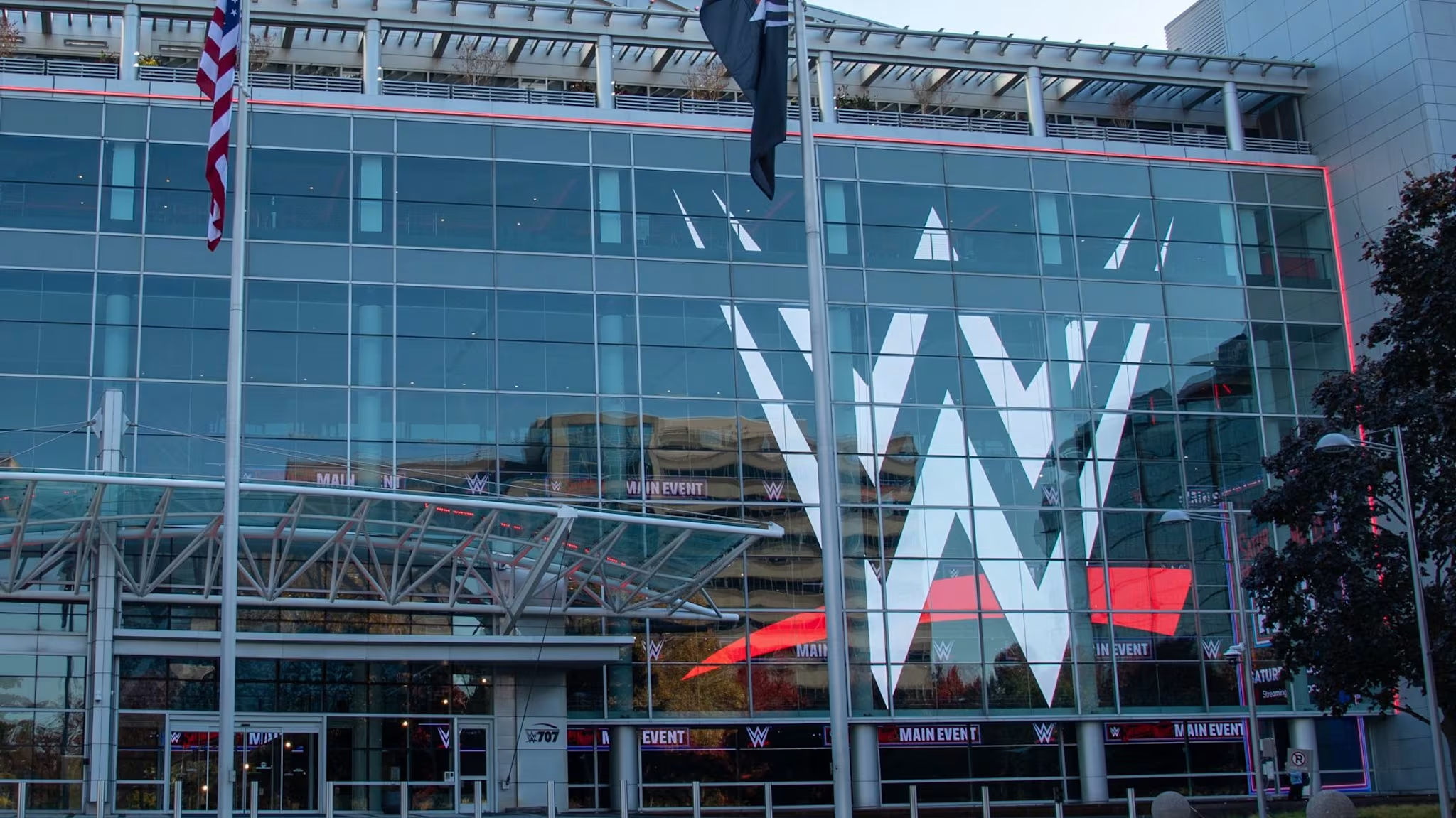
WWE also acknowledged Watts’ death and extended its condolences to his family, friends, and fans.
The timing adds another layer to Funk’s death in August. In 1969, Watts and Funk were both considered possible successors to Gene Kiniski as NWA World Heavyweight Champion, then wrestling’s most closely guarded prize.
Promoters ultimately selected Funk, who held the championship for more than four years. Watts later challenged him during multiple title matches, including a 1972 showdown in Tulsa before approximately 11,000 spectators that ended with Watts winning by disqualification—but not taking the belt.
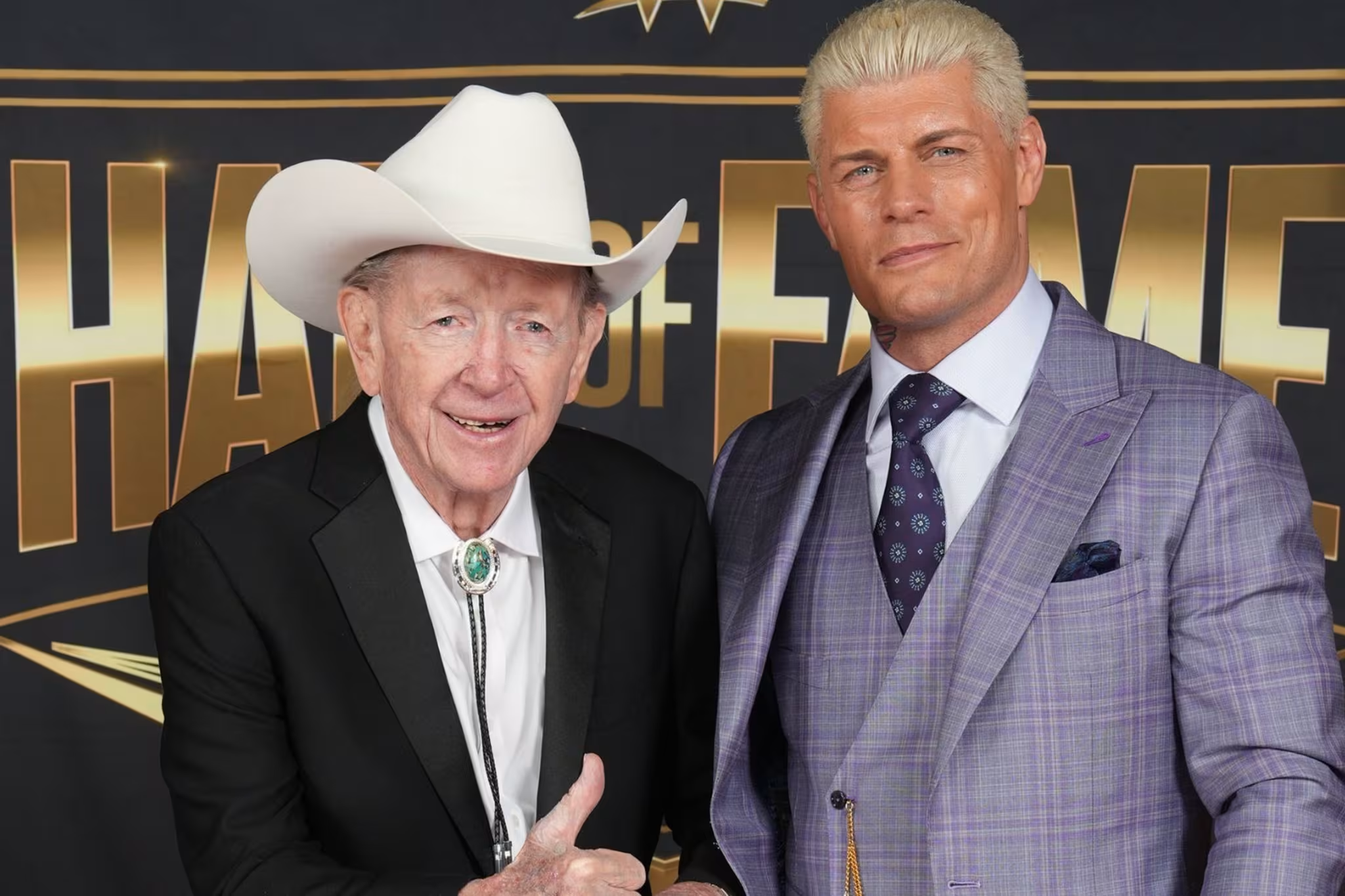
Their careers eventually converged again when Watts entered WWE’s 2009 Hall of Fame class alongside Dory and Terry Funk.
Watts ultimately made his greatest impact outside the ring. As the force behind Mid-South Wrestling, which later became the Universal Wrestling Federation, he built weekly television around hard-hitting matches, heated rivalries, and continuing storylines designed to bring viewers back.
That episodic approach remains the foundation of WWE programming today. Junkyard Dog, Ted DiBiase, “Hacksaw” Jim Duggan, “Dr. Death” Steve Williams, and Sting were among the stars who passed through the promotion.
His old-school philosophy followed him into WCW, where Watts became executive vice president in 1992. His tenure ended after an earlier interview resurfaced in which he defended racial discrimination by business owners.
“If you want a business, and you put money in, why shouldn’t you be able to discriminate?” Watts said. He also made offensive remarks about slavery, Black people, and sexual orientation.
Wrestling journalist Mark Madden brought the interview to the attention of baseball legend and Turner executive Hank Aaron, who reportedly pushed for Watts’ removal. Watts resigned in 1993, claiming the comments had been taken out of context.