Key Takeaways
- Photographer Al Satterwhite has sued Sony Music Publishing for allegedly using his 1974 Stevie Wonder portrait without permission in a 2023 Instagram post celebrating Innervisions’ 50th anniversary.
- Satterwhite seeks up to $150,000 in statutory damages, arguing that Sony harmed his licensing market and knew—or should have known—that copyright protected the image.
- The lawsuit names no claims against Wonder, and Satterwhite must prove willful infringement to secure the maximum award.
Sony Music Publishing built its business around licensing creative work. Now a photographer says the company used his.
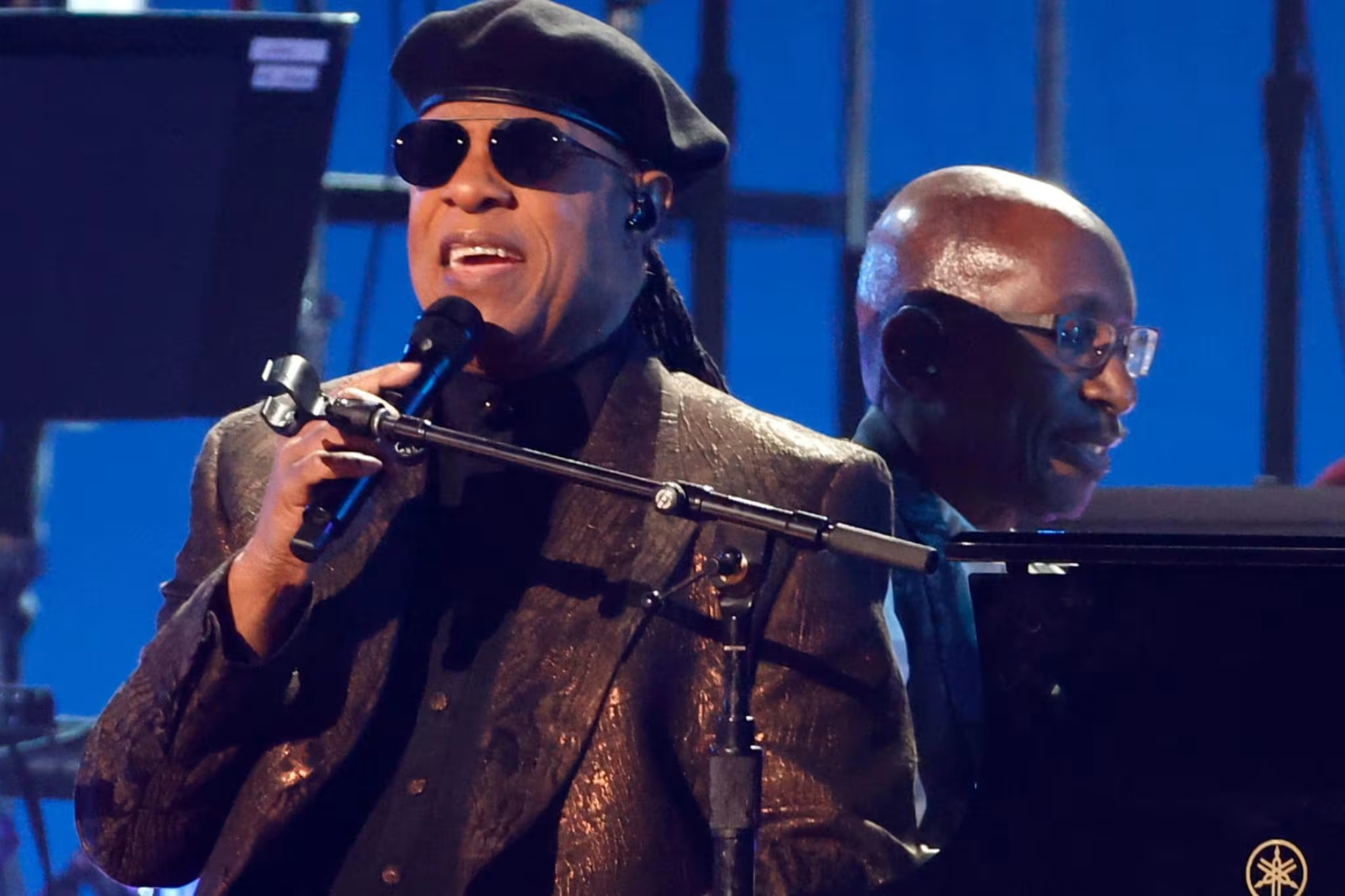
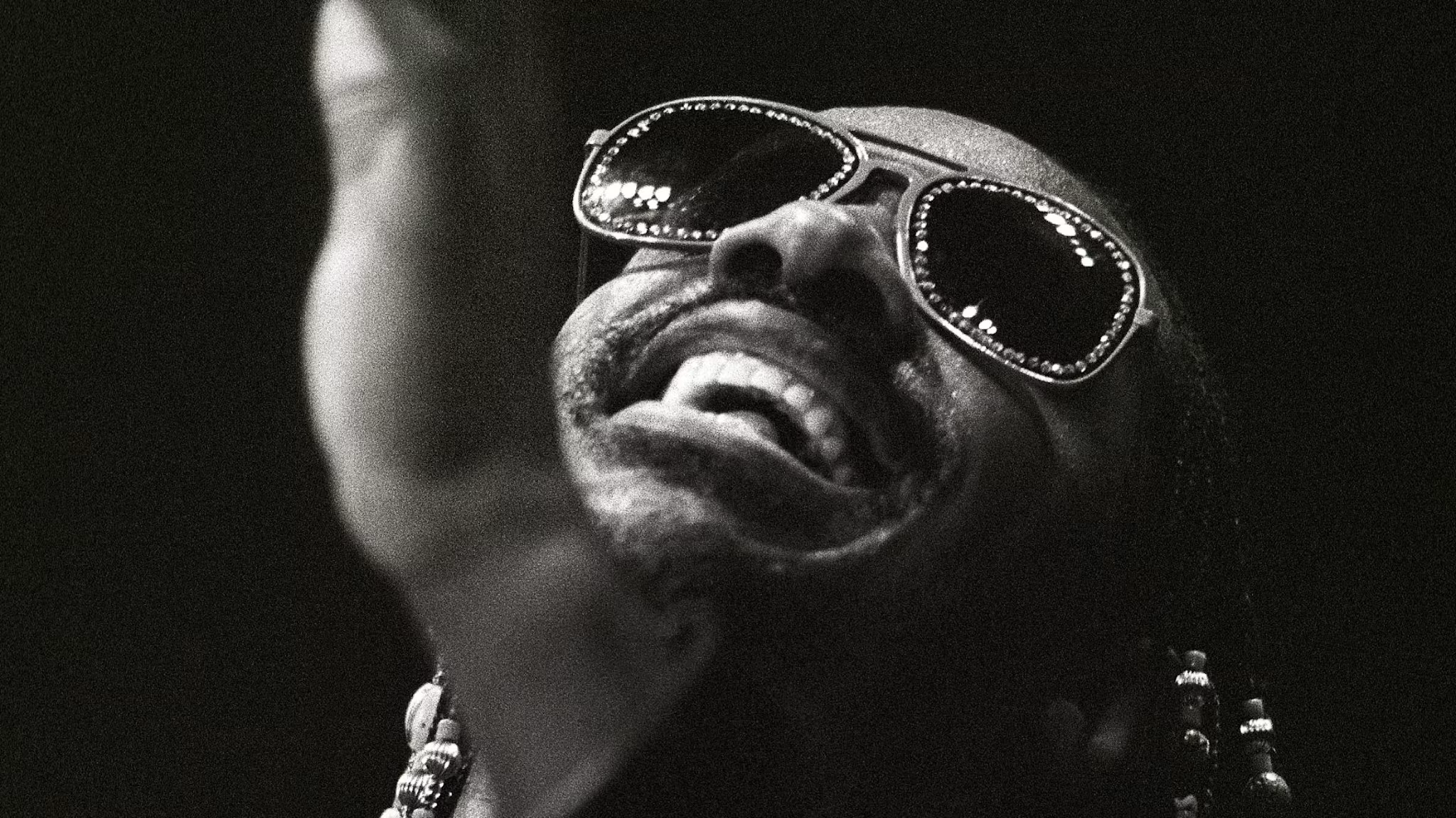
Veteran photographer Al Satterwhite has sued the music giant for allegedly posting his “iconic” 1974 portrait of Stevie Wonder on Instagram without permission. The copyright infringement complaint, filed in the Southern District of New York, seeks up to $150,000 in statutory damages.
The photograph captures Wonder seated at a piano during a 1974 session. Satterwhite says he later registered the image with the U.S. Copyright Office, giving him the exclusive right to control and license its use. Nearly five decades later, Sony Music Publishing allegedly placed the portrait in a 2023 Instagram carousel celebrating the 50th anniversary of Wonder’s Innervisions.
According to the lawsuit, which was obtained by Billboard, Sony never obtained a license or paid Satterwhite before publishing the image to its social media audience. He argues that the post did more than cost him one licensing fee—it allowed a global music company to benefit from his work while weakening his ability to sell future uses of the same photograph.
Sony’s alleged infringement “has harmed, and continues to harm, the potential market for or value of the copyrighted work,” the complaint states, by “robbing Plaintiff of his exclusive right to license the copyrighted work for illustrative and other purposes.”
Satterwhite’s attorneys also zeroed in on Sony’s own experience monetizing intellectual property. The lawsuit describes Sony Music Publishing as “a sophisticated media company that understands copyright law and the need to obtain a license to publish the copyrighted works of others.” Satterwhite claims the company knew—or should have known—that the photograph was protected before adding it to the anniversary post.
The $150,000 figure is the maximum statutory award available under federal law for the willful infringement of one copyrighted work. Satterwhite would still need to establish Sony’s liability and persuade the court that the company’s conduct warrants damages at that level.
Wonder is not accused of wrongdoing and is not named as a defendant. Innervisions is the 1973 album that delivered “Higher Ground” and “Living for the City” and earned Wonder his first Album of the Year Grammy.
Satterwhite has gone to court over his archive before. Billboard reports that he has filed more than a dozen lawsuits alleging unauthorized use of his photographs of Wonder, Arnold Schwarzenegger, Mel Brooks and other notable figures.
Last year, he sued Berklee College of Music over another Wonder image from the same 1974 shoot, then voluntarily dismissed the case less than two months later.