Key Takeaways
- BABYQUEEN's creators announced that virtual member Mity was "pregnant" and leaving the AI-generated girl group, drawing more than 78 million views and widespread debate on Weibo.
- The creators deleted the announcement and apologized, admitting they wrote Mity out to reduce their workload, but critics continued questioning the bizarre storyline.
- The backlash follows scrutiny of Chinese AI actor Fang Taozi, whose claim that it wore "comfortable" contact lenses all day prompted regulators to allege deceptive advertising.
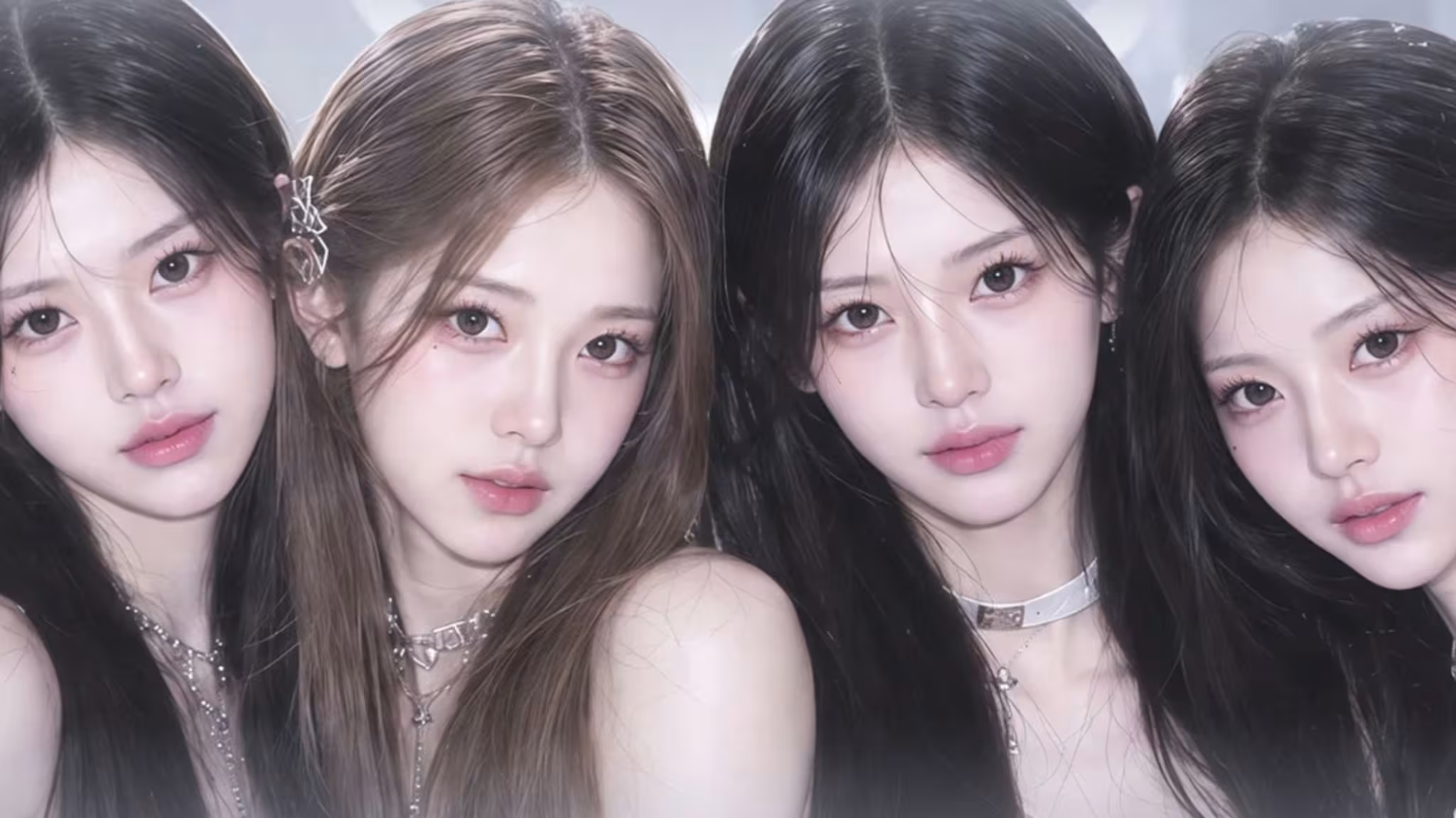
An AI-generated girl group modeled after popular K-pop groups has drawn ire on Chinese social media platforms after the creators decided one of the virtual members was apparently "pregnant."
As reported by the South China Morning Post, the Chinese four-member virtual group BABYQUEEN launched in September and had been steadily growing its followers online. Earlier this month, however, an announcement written from the perspective of virtual member Mity announced that she was "pregnant" and would be stepping away from the band for the time being.
Shortly after the announcement was released, it attracted over 78 million views on Chinese microblogging website Weibo and sparked passionate debates.
"Mity doesn’t have a physical body," one user commented. "If AI characters can get pregnant, should they claim maternity leave and childbearing subsidies?" Others suggested that the team behind BABYQUEEN had run out of AI tokens to generate new content.
The creators, who described themselves as young women enthusiastic about K-pop, later deleted the post and apologized, admitting that they "wrote" out the virtual member to reduce their workload. They appeared to state that they launched the project without hoping to make a profit from it, but their apology fell on deaf ears, and critics continued to call them out.
Earlier this year, another virtual influencer garnered criticism in China: the AI actor Fang Taozi, which garnered over 400,000 followers thanks to its appearance in mini-dramas. Market regulators accused the account of deceptive advertising, asserting that a commercial in which the AI avatar said it had worn "comfortable" contact lenses all day drew criticism.