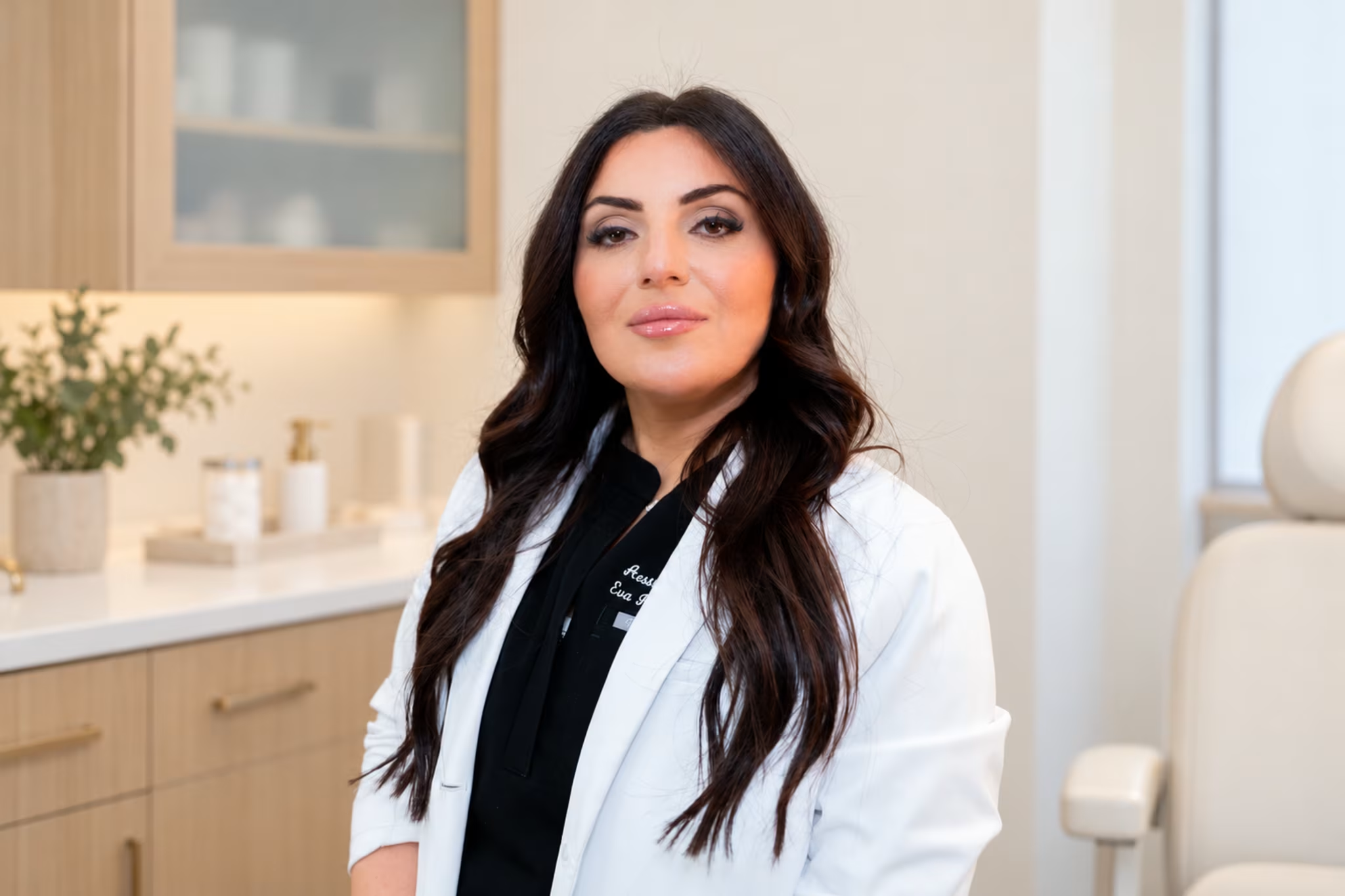
Opening a practice gave Eva Israilova a chance to decide how the conversations inside it should work. The founder of Brooklyn’s Aesthetic Island describes patient education as central to that responsibility. Someone may arrive interested in a particular change, with the consultation providing room to discuss what they expect from it.
Israilova’s account of building the business returns to that exchange. She came to the business with experience as a nurse practitioner and clinical educator, describing her own practice as a place to put that experience. She also brings continuing education into her patient consultations.
The Reasons Behind Opening the Door
According to Israilova, working in established practices gave her experience with aesthetic medicine and the approaches other operators had built around it. She came away with preferences about how she wanted to practice. Starting a business meant taking responsibility for turning those preferences into an experience patients could understand.
Israilova describes hearing from people who wanted changes that felt consistent with their existing appearance, and the conversations stayed with her as she considered opening her own practice. Israilova says patients’ interest in retaining a familiar appearance influenced how she wanted consultations to work.
That idea became part of Aesthetic Island in Brooklyn. The practice explains its aesthetic treatments and skin rejuvenation services as part of an individually considered plan. Israilova places the patient’s expectations within that process, giving attention to the features they appreciate as well as the change they have come to discuss.
A Reference Image Begins a Discussion
An image can communicate a preference quickly. Explaining the appeal of that image takes the conversation further. Israilova’s perspective places importance on understanding what a patient sees in a particular look and how that relates to their own expectations.
“Beauty shouldn’t be about looking like someone else,” she says. “It’s about feeling confident in your own features and understanding that what works for one person may not be right for another.”
Her description of consultation includes facial structure and skin health, with medical history also informing the assessment. Lifestyle and longer-term goals contribute further context. The requested procedure becomes one part of that account, giving the clinician and patient more to discuss than the appearance of a finished result.
For Israilova, the desired change has to be considered in relation to the person seeking it. She presents that as a professional responsibility within her practice. The conversation allows preferences to be explained and the proposed approach to receive attention before decisions about treatment are made.
Judgment Has a Place in the Business
Running the practice also gives Israilova a responsibility for how its philosophy is expressed. A statement about personal attention needs a place in the appointment itself. In her account, education and individualized planning are how the intention enters the patient’s experience.
Her emphasis on restraint follows from the same reasoning. She favors considering what a change contributes to the patient’s overall appearance, with attention to the features already there. This is the approach she advocates, with any treatment decision requiring an assessment of the individual circumstances.
The business carries ideas developed during her earlier clinical work into an ongoing operation. Its founder describes building a setting where patients can discuss their preferences and receive an explanation of the proposed care. That ambition concerns the quality of conversation as well as the services available.
The Plan Can Return to the Person
A patient’s preferences may develop as the relationship continues. Israilova describes treatment planning as something that can be revisited when goals or circumstances change. A previous appointment supplies context, with the current conversation establishing what the person wants to discuss now.
That leaves room for continuity in how the practice approaches care. The clinician has a history to consider, and the patient has an opportunity to examine whether earlier priorities still apply. Israilova sees those exchanges as part of building relationships over time.
Her account of Aesthetic Island ultimately comes back to the responsibility she assumed by opening it. She wants the practice to give individual preferences an understandable place in the discussion, with professional judgment guiding how requests are evaluated. The business gives her an ongoing opportunity to put that intention into the conversations patients have.
This article is for informational purposes only and does not substitute for professional medical advice. If you are seeking medical advice, diagnosis or treatment, please consult a medical professional or healthcare provider.
Complex newsroom and editorial staff were not involved in the creation of this content.
Life
Eva Israilova Builds a Practice Around the Patient Conversation
The Brooklyn founder describes an approach to aesthetic care shaped by personal preferences, clinical judgment, and goals that can change over time.
Aesthetic Island
Related Stories

Pop Culture
'Harry Potter' Star Jessie Cave Says Plastic Surgery Was a 'Business Decision'
Inside the Harry Potter alum’s OnlyFans gamble, the £15,000 first day and why she says breast surgery became a 'business decision.'
Bernadette Giacomazzo86 days ago

Life
AriZona Iced Tea Co-Founder Wants His Former Masseuse Out of a House She Says He Promised Her
Fayssanya “Fay” Pratt says she paid taxes and renovated the Coral Springs home, believing it would be hers. John Ferolito says she was just a tenant.
Bernadette Giacomazzo50 days ago

Pop Culture
Selena Gomez Says Fans Want Her to Look Like She Did in 2016: ‘It’s Not Gonna Happen’
The Rare Beauty founder opens up about aging, embracing natural beauty and why she refuses to stay frozen in her mid-20s.
Bernadette Giacomazzo55 days ago
Trending
1